Alibaba is a powerhouse for product sourcing, offering countless opportunities for Shopify merchants, DTC brand founders, Amazon FBA sellers, and sourcing managers. However, navigating this massive platform can feel overwhelming. With thousands of suppliers, varying product quality, and potential scams, the stakes are high for getting the right items at the right price.
This article provides a practical, step-by-step guide to sourcing products on Alibaba while minimizing risks, ensuring a smooth and successful procurement process. By applying the strategies outlined here, you can save time, reduce stress, and gain peace of mind in your sourcing efforts.
Why Diligence on Alibaba is Crucial
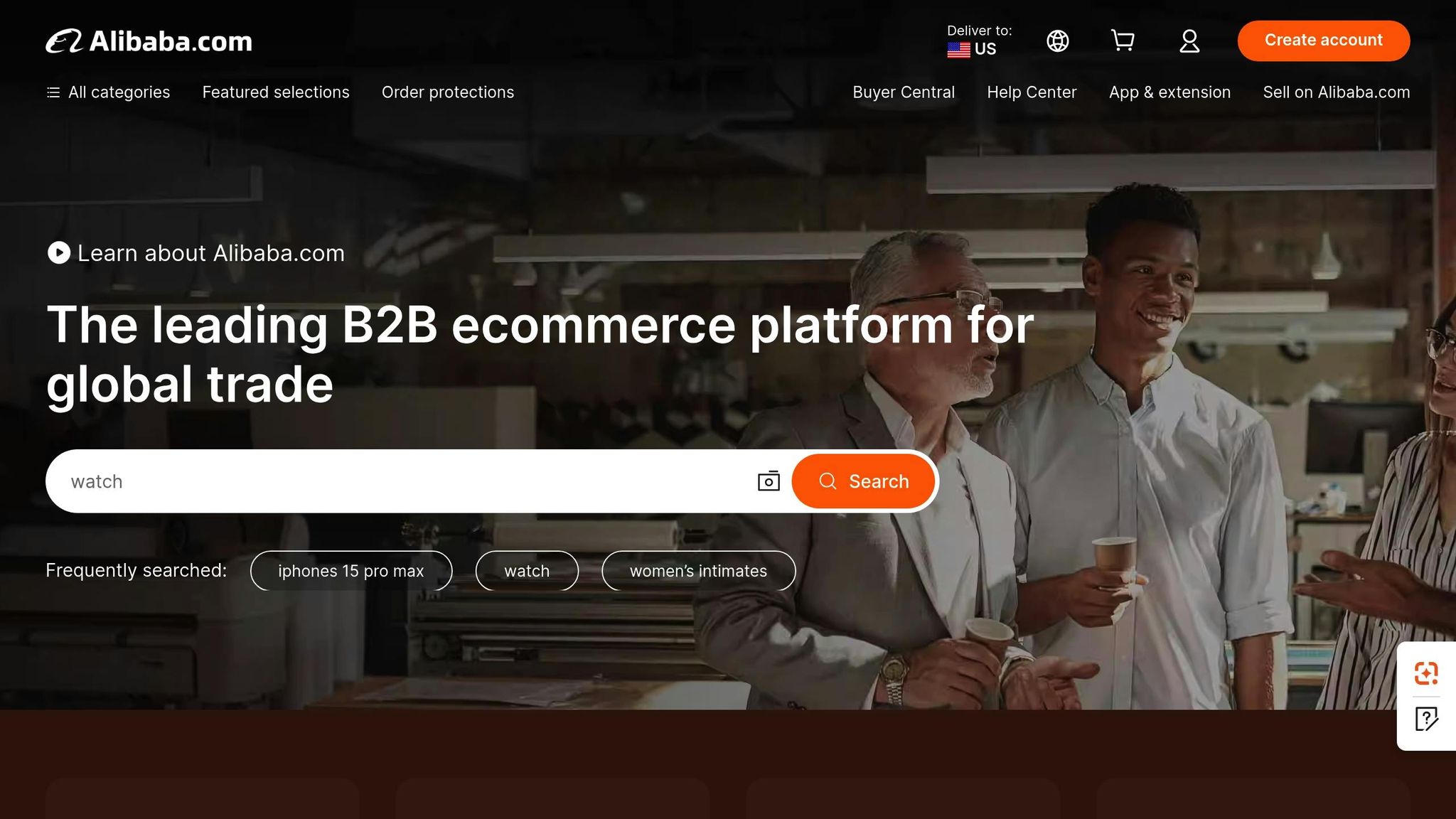
Alibaba connects buyers with suppliers from across the globe. While this opens the door to affordable and diverse options, it also requires vigilance. Suppliers differ in quality, reliability, and transparency, and failing to vet them properly can lead to issues such as:
- Receiving products that don’t match specifications.
- Poor manufacturing quality.
- Shipping delays or excessive freight costs.
- Getting scammed by illegitimate suppliers.
Success on Alibaba hinges on thorough research, leveraging platform features, and strategically filtering your options to find verified and trustworthy suppliers. Here's how to do it right.
sbb-itb-633367f
Step 1: Understand Supplier Types and Features
When sourcing on Alibaba, the platform’s supplier classifications are your first line of defense. Key supplier categories to understand include:
1. Verified Suppliers
Verified Suppliers undergo a basic authentication process by Alibaba, confirming their business license and other credentials. These suppliers are more credible than unverified ones but still require some due diligence.
2. Verified Pro Suppliers
This is a higher-tier classification where suppliers not only have verified credentials but also meet additional standards for quality, production capacity, and reliability. Verified Pro Suppliers are ideal for sourcing high-volume orders or premium products.
When filtering suppliers, prioritize Verified or Verified Pro Suppliers for added peace of mind.
Step 2: Use Alibaba’s Filters to Narrow Down Options
With endless product listings, applying filters is critical to finding what you need quickly. Here’s how to use Alibaba’s filtering tools effectively:
1. Select Trade Assurance
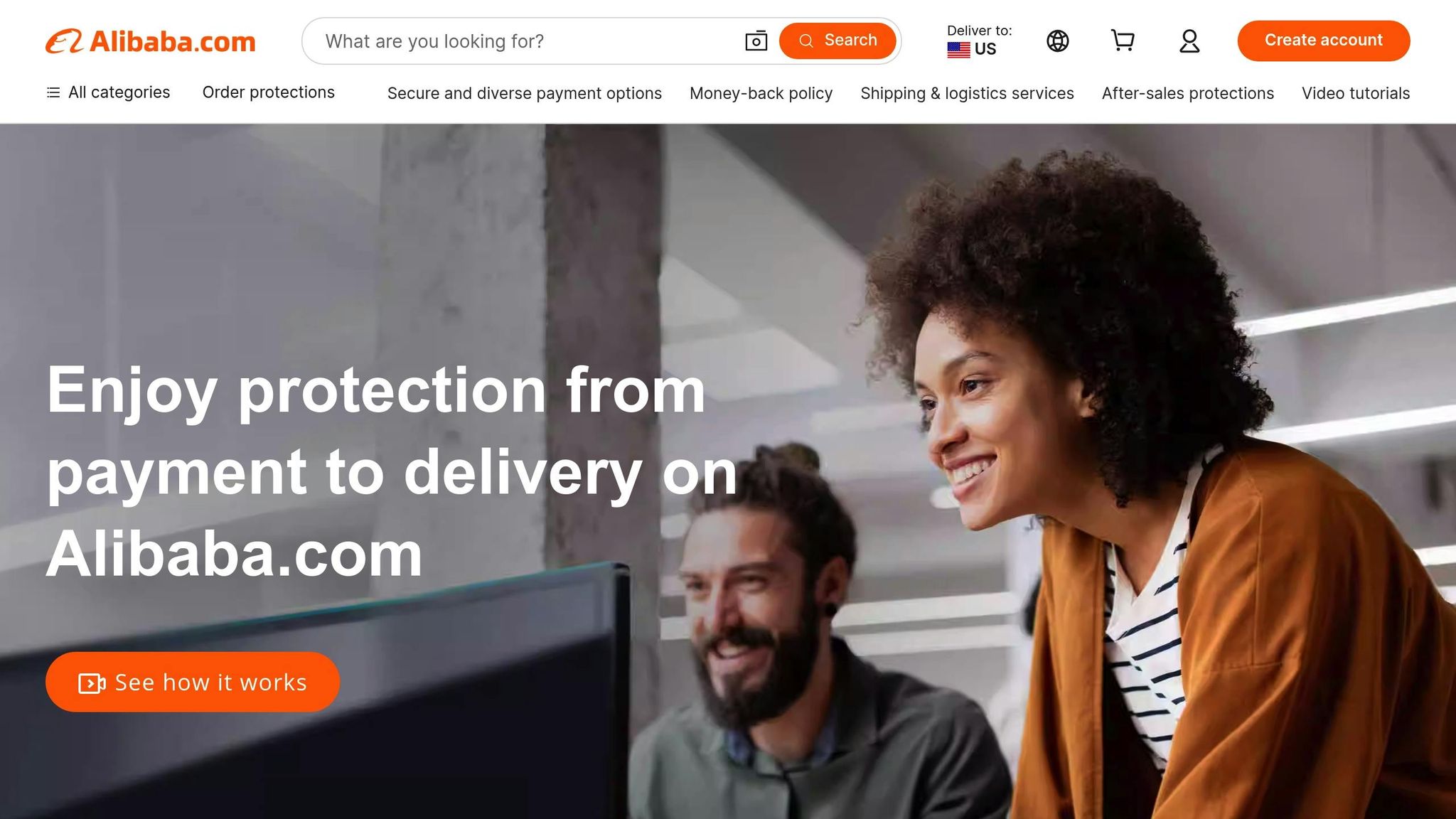
Trade Assurance is Alibaba’s buyer protection program, providing security for payments and ensuring that suppliers meet contractual terms such as product quality and delivery timelines. Always enable this filter to safeguard your purchase.
2. Prioritize Supplier Reviews
Check the supplier’s reviews, focusing on ratings of 4.0 or higher. Reviews provide insights into other buyers’ experiences, including product quality, shipping reliability, and responsiveness.
- Pro Tip: Be cautious of overly positive reviews that may have been artificially generated. Cross-check details to ensure authenticity.
3. Set Your Minimum Order Quantity (MOQ)
Define the minimum number of units you’re willing to order. For instance, if you only need a small batch, set a low MOQ to avoid suppliers who only cater to bulk buyers.
4. Define Your Supplier’s Country
If you prefer products from specific countries known for high-quality manufacturing (e.g., Turkey for leather goods, India for shoes), use the "Supplier Country" filter. This helps you focus on suppliers with expertise in your desired product category.
5. Specify Product Certifications
For industries requiring compliance with safety or quality standards, look for certifications such as CE, ISO, or FDA approval. If unsure, leave this to Alibaba’s system to suggest options.
Step 3: Examine Product Listings in Detail
Once filters narrow down your options, focus on individual product listings. Pay attention to the following details:
1. Pricing and Order Tiers
Alibaba suppliers often offer tiered pricing, where the unit price decreases with larger order quantities. For example:
- Buying 2–200 pairs of sneakers may cost $15 each.
- Buying 201–1,000 pairs could reduce the price to $13 each.
Make sure you understand the pricing structure and whether it fits your budget.
2. Shipping Costs
Shipping fees are often not included in the listed price. Negotiate with the supplier to clarify freight costs from their warehouse to your destination. Confirm timelines to avoid delays.
3. Product Samples
Request samples whenever possible. Even if the sample fee seems high, it’s better to evaluate product quality firsthand before committing to a bulk order.
Step 4: Contact Suppliers and Verify Legitimacy
Communication is key to establishing trust with suppliers. Here’s what to do:
1. Ask Questions
Engage suppliers to clarify details about:
- Product materials and specifications.
- Production timelines.
- Quality control measures.
- Shipping and packaging options.
2. Negotiate Terms
Discuss pricing, minimum order quantities, and shipping costs. Suppliers are often open to negotiating, especially for larger orders.
3. Cross-Check Supplier Information
Verify business details, such as their registration and certifications. Conduct additional online research on the supplier to ensure legitimacy.
Step 5: Place Orders Securely
Once you’ve finalized your supplier, follow these precautions when placing an order:
- Use Alibaba’s Secure Payment Options: Avoid direct payments to suppliers outside the platform.
- Confirm all order details, including product specifications, shipping terms, and timelines.
- Monitor the order's progress and stay in communication with the supplier until delivery is complete.
Key Takeaways
Here are the most important insights to source safely and efficiently on Alibaba:
- Prioritize Verified Suppliers: Use Verified and Verified Pro Suppliers to reduce risk.
- Enable Trade Assurance: Protect your payments and ensure supplier accountability.
- Filter Strategically: Use filters for supplier country, reviews, certifications, and MOQs to streamline the search process.
- Check Product Listings Thoroughly: Understand pricing tiers, shipping costs, and sample terms before committing.
- Communicate with Suppliers: Ask detailed questions and verify their information independently.
- Place Orders Securely: Always use Alibaba’s payment system and confirm all details before finalizing.
By following these steps, you’ll reduce the likelihood of scams and ensure smoother transactions with suppliers.
Final Thoughts
Sourcing on Alibaba doesn’t have to be a gamble. By leveraging the platform’s tools and features wisely, you can secure high-quality products while avoiding common pitfalls. Whether you’re a Shopify merchant, Amazon FBA seller, or sourcing manager, taking the time to vet suppliers and negotiate effectively will pay off in better inventory and stronger profit margins.
Start with the guidelines above, and you’ll turn Alibaba into a powerful tool for your business success.
Source: "How to Source Products on Alibaba Without Getting Scammed (Beginner’s Technical Guide)" - Otc Mall And Logistics, YouTube, Dec 24, 2025 - https://www.youtube.com/watch?v=JdIsHNA510I